SEGUE Definition & Meaning – Merriam-Webster
 Jovan Stosic
Jovan Stosic
Jovan Stosic
Jovan Stosic
Jovan Stosic
can·o·py ˈka-nə-pē
plural: canopies
1
a: a cloth covering suspended over a bed
b: a cover (as of cloth) fixed or carried above a person of high rank or a sacred object : baldachinA canopy hung over the altar.
c: a protective covering: such as
(1) the uppermost spreading branchy layer of a forest
(2) awning, marquee A canopy was erected over the grandstand.
2
an ornamental rooflike structure
3
a: the transparent enclosure over an airplane cockpit
b: the fabric part of a parachute that catches the air
canopied; canopying
to cover with or as if with a canopyTall trees canopied the island.
https://www.merriam-webster.com/dictionary/canopy
MK: крошна
Jovan Stosic
tit·bit ˈtit-ˌbit
less common variant of tidbit
1
: a choice morsel of food
2
: a choice or pleasing bit (as of information)
Recent Examples on the Web
Examples are automatically compiled from online sources to show current usage. Read More
The instruction booklet is thorough, and filled with lots of neat science titbits and facts too.—Ian Stokes, Space.com, 23 May 2025Among other titbits, Hip-Hop fans are 130 percent more likely to buy merchandise from an artist’s online store than the average music streamer, its year-end report also found.—Georg Szalai, The Hollywood Reporter, 15 Jan. 2025
Some other titbits in the DealSheet caught my eye: Barcelona are monitoring Spain, Euro 2024 and RB Leipzig star Dani Olmo.—Phil Hay, The Athletic, 23 July 2024Sussex was a master at lacing seemingly innocent lifestyle guides with genuinely revealing titbits about her life.—Kate Lloyd, Vogue, 17 Mar. 2024Anderson said that one titbit from the essay by Wyatt — who has a 3-year-old namesake grandson that Anderson and former partner Benjamin Maisani welcomed in April 2023 — especially struck a chord with him.—Bailey Richards, Peoplemag, 29 Nov. 2023Two and a half years later, Ingwe’s favorite spot is still The Café Grill, where staff continue to take care of her, treating her to tasty titbits and spoiling her in general.—Sandra MacGregor, Forbes, 2 Apr. 2023See Less
Jovan Stosic
complacent /kəmˈpleɪsnt /
▸ adjective showing smug or uncritical satisfaction with oneself or one’s achievements: you can’t afford to be complacent about security. – DERIVATIVES complacently /kəmˈpleɪsntli / adverb.
Complacent and complaisant are two words which are similar in pronunciation and which both come from the Latin verb complacere ‘to please’, but in English they do not mean the same thing. Complacent is far commoner and means ‘smug and self-satisfied’. Complaisant, on the other hand, means ‘willing to please’, as in ‘the local people proved complaisant and cordial’. – ORIGIN mid 17th century (in the sense ‘pleasant’): from Latin complacent- ‘pleasing’, from the verb complacere.
Jovan Stosic
girth /ɡəːθ /
▸ noun 1 [mass noun] the measurement around the middle of something, especially a person’s waist: idle men of great girth an ivy-clad tree of immense girth [count noun] a pike with a girth of 24 inches.
▪ a person’s waist or stomach, especially when large: he tied the knotted towels around his girth. 2 a band attached to a saddle and fastened around a horse’s belly to keep the saddle in place.
▸ verb [with object] archaic surround; encircle: the four seas that girth Britain. – ORIGIN Middle English (in girth (sense 2 of the noun)): from Old Norse gjǫrth.
Jovan Stosic
infidel /ˈɪnfɪd(ɛ)l / derogatory mainly archaic
▸ noun a person who has no religion or whose religion is not that of the majority: a crusade against infidels and heretics (the infidel as plural noun) they wanted to secure the Holy Places from the infidel.
▸ adjective adhering to a religion other than that of the majority: the infidel foe. – ORIGIN late 15th century: from French infidèle or Latin infidelis, from in- ‘not’ + fidelis ‘faithful’ (from fides ‘faith’, related to fidere ‘to trust’). The word originally denoted a person of a religion other than one’s own, specifically a Muslim (to a Christian), a Christian (to a Muslim), or a Gentile (to a Jew).
Jovan Stosic

noun
a person with special knowledge or appreciation of a field, esp in the arts
Collins English Dictionary. Copyright © HarperCollins Publishers
Derived forms
connoisseurship (ˌconnoisˈseurship)
noun
Word origin
C18: from French, from Old French conoiseor, from connoistre to know, from Latin cognōscere
https://www.collinsdictionary.com/dictionary/english/connoisseur
Jovan Stosic

adjective [usually ADJECTIVE noun]
If you describe someone as sardonic, you mean their attitude to people or things is humorous but rather critical.
…a big, sardonic man, who intimidated his students.
Synonyms: mocking, cynical, dry, bitter More Synonyms of sardonic
sardonically (sɑːʳdɒnɪkli ) graded adverb [ADVERB with verb]
He grinned sardonically and bowed towards her.
https://www.collinsdictionary.com/dictionary/english/sardonic
Jovan Stosic
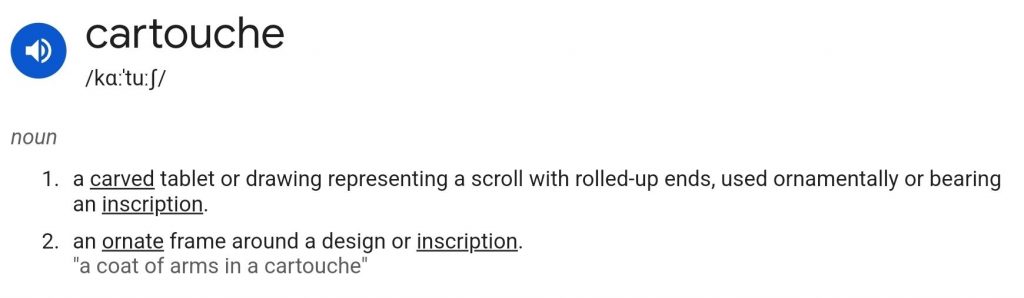 Jovan Stosic
 Jovan Stosic
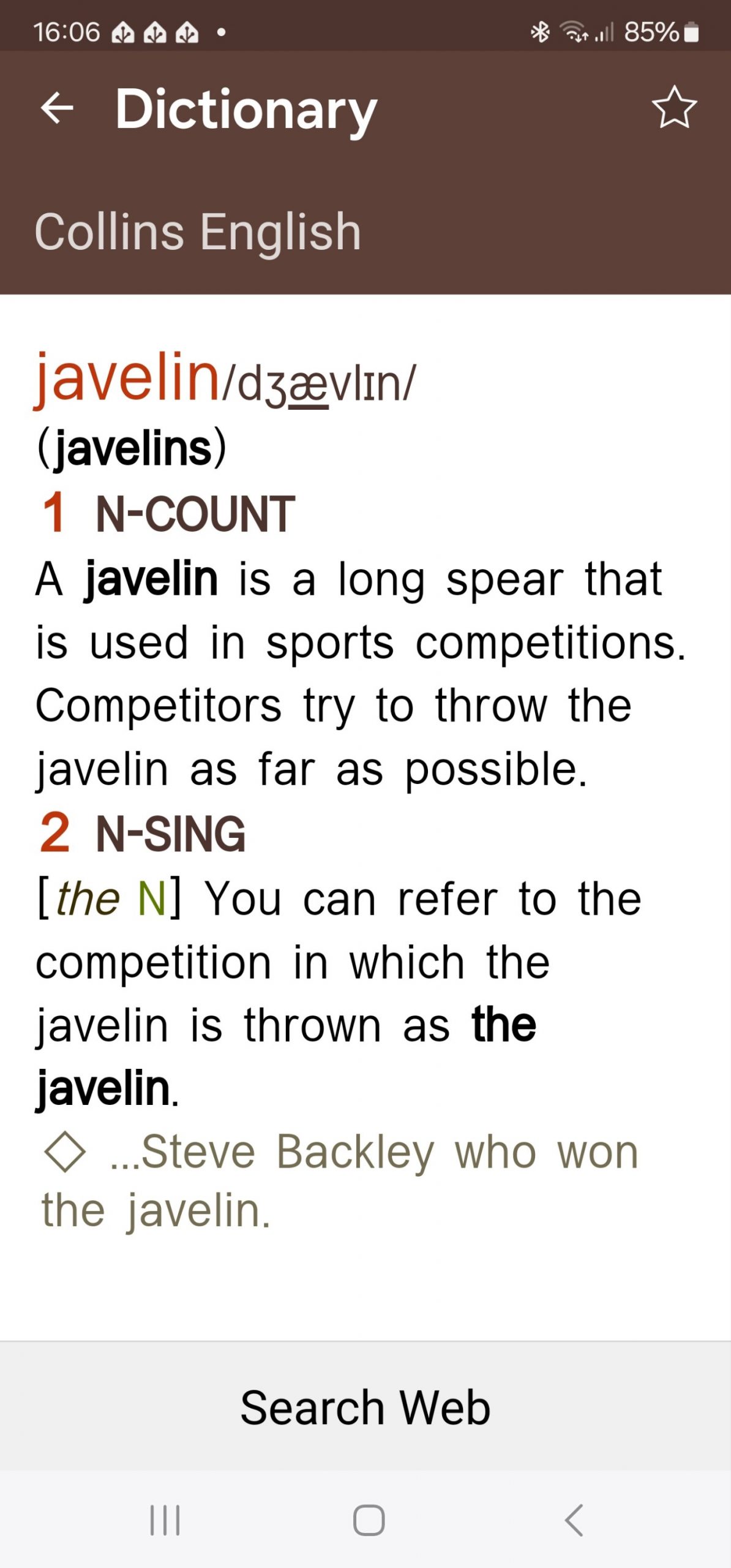 Jovan Stosic
