Kodi CEC commands with Samsung Smart Remote Control (anynet+)
 Jovan Stosic
Jovan Stosic
Jovan Stosic
Jovan Stosic
Jovan Stosic
Jovan Stosic
Jovan Stosic
Jovan Stosic
Jovan Stosic
Jovan Stosic
Jovan Stosic
Jovan Stosic
Jovan Stosic
Jovan Stosic
Jovan Stosic
Jovan Stosic
Jovan Stosic
Jovan Stosic
Jovan Stosic
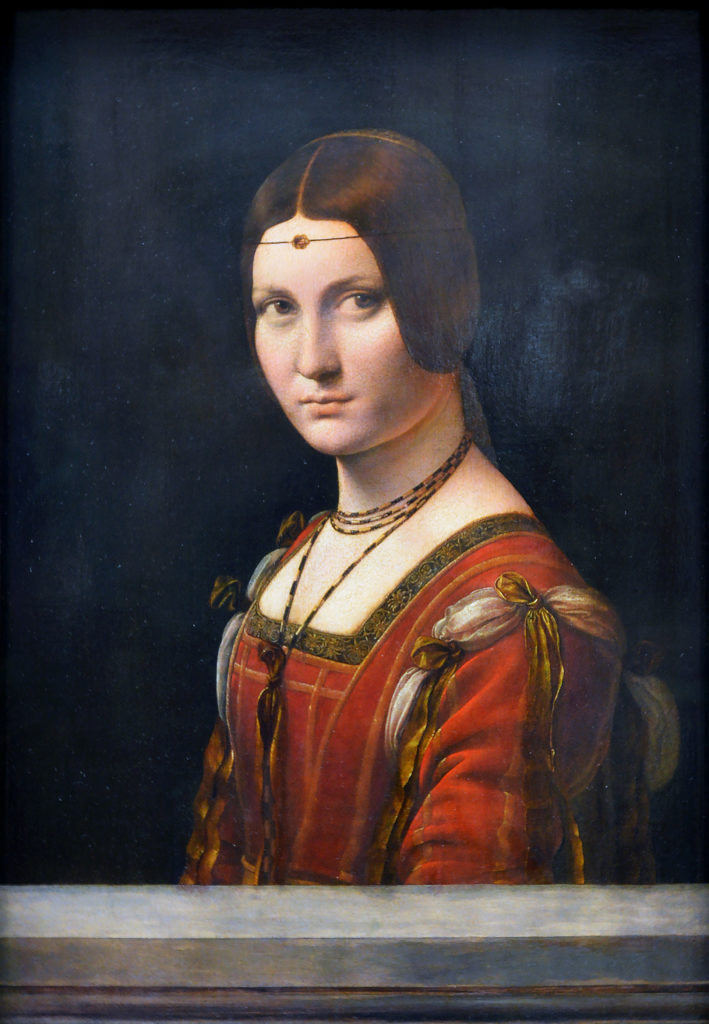
La belle ferronnière is a portrait of a lady, usually attributed to Leonardo da Vinci, in the Louvre. It is also known as Portrait of an Unknown Woman. The painting’s title, applied as early as the seventeenth century, identifying the sitter as the wife or daughter of an ironmonger (a ferronnier), was said to be discreetly alluding to a reputed mistress of Francis I of France, married to a certain Le Ferron. The tale is a romantic legend of revenge in which the aggrieved husband intentionally infects himself with syphilis, which he passes to the king through infecting his wife.[citation needed]
Leonardo’s Lady with an Ermine, has also been known by this name. This was once believed to be a portrait of Cecilia Gallerani—one of the mistresses of Lodovico ‘il Moro’ Sforza, Duke of Milan.[1] The narrative and the title were applied to Lady with an Ermine when it was in Princess Czartoryski’s collection, and became confused with La Belle Ferronniere by the presence in this image also of a jewel worn on a delicate chain across the forehead, called a ferronnière.
Source: La belle ferronnière – Wikipedia
Jovan Stosic
Ludovico Maria Sforza (also known as Ludovico il Moro;[1] 27 July 1452 – 27 May 1508), was Duke of Milan from 1494, following the death of his nephew Gian Galeazzo Sforza, until 1499. A member of the Sforza family, he was the fourth son of Francesco I Sforza. He was famed as a patron of Leonardo da Vinci and other artists, and presided over the final and most productive stage of the Milanese Renaissance. He is probably best known as the man who commissioned The Last Supper.
Source: Ludovico Sforza – Wikipedia
Jovan Stosic
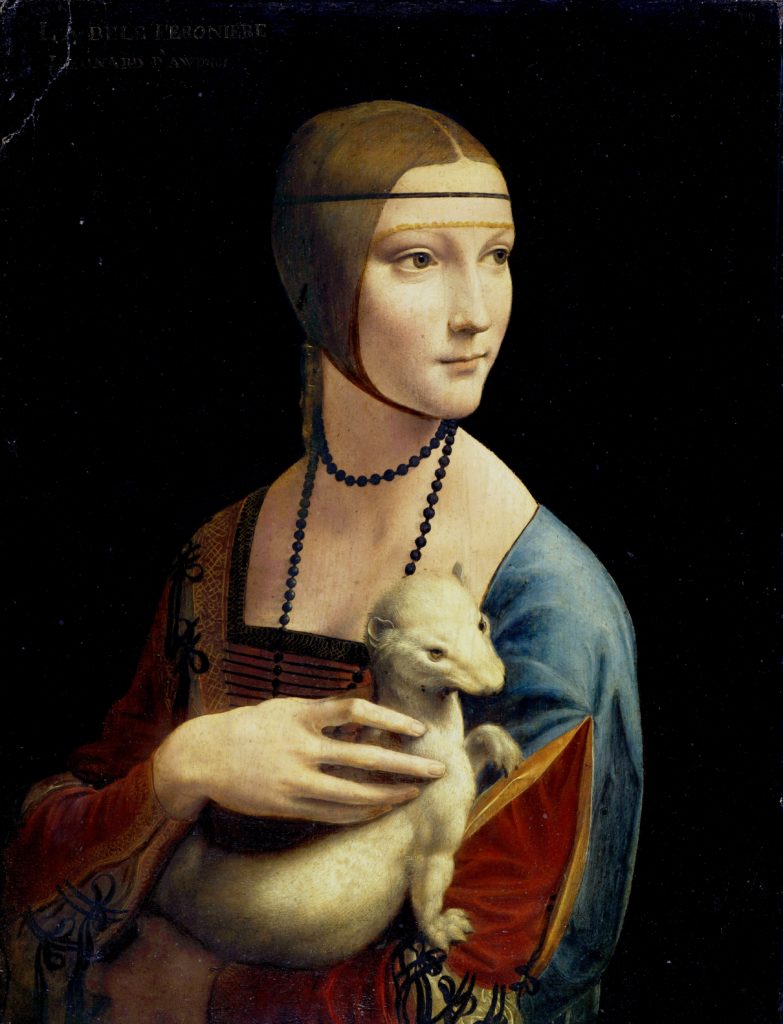
Lady with an Ermine (Italian: Dama con l’ermellino [ˈdaːma kon lermelˈliːno]; Polish: Dama z gronostajem) is a painting by Italian artist Leonardo da Vinci from around 1489–1490 and one of Poland’s national treasures.[2] The portrait’s subject is Cecilia Gallerani, painted at a time when she was the mistress of Ludovico Sforza, Duke of Milan, and Leonardo was in the Duke’s service. It is one of only four portraits of women painted by Leonardo, the others being the Mona Lisa, the portrait of Ginevra de’ Benci, and La belle ferronnière. The painting was purchased in 2016 from the Czartoryski Foundation by the Polish Ministry of Culture and National Heritage for the National Museum in Kraków, and has been on display in the museum’s main building since 2017.[3] Source: Lady with an Ermine – Wikipedia
Jovan Stosic
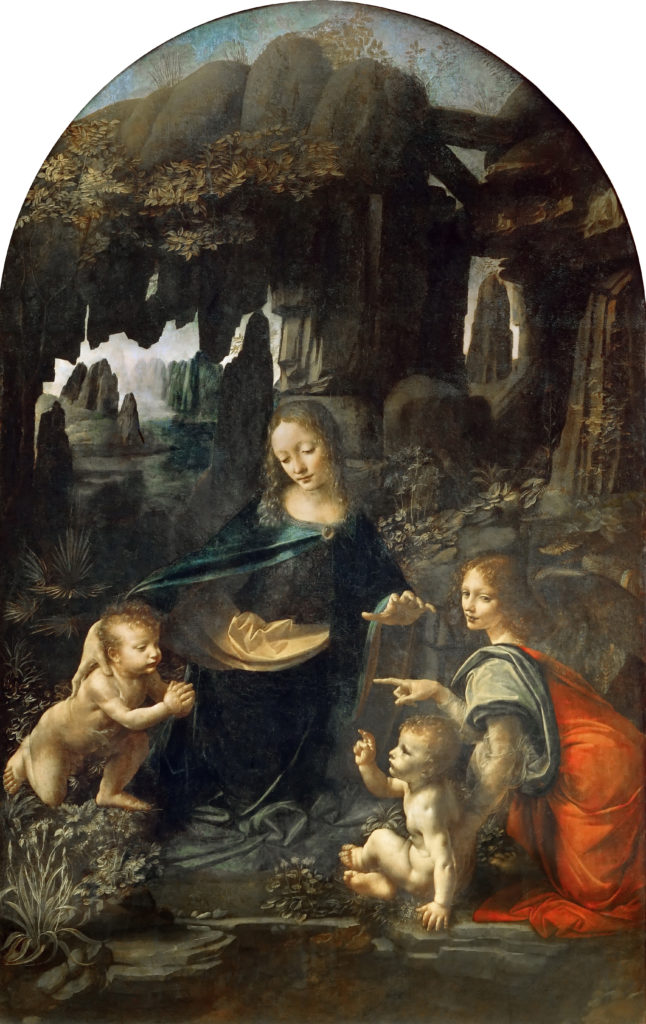
The Virgin of the Rocks (sometimes the Madonna of the Rocks) is the name of two paintings by Leonardo da Vinci, of the same subject, and of a composition which is identical except for several significant details. The version generally considered the prime version, that is the earlier of the two, hangs in The Louvre in Paris and the other in the National Gallery, London. The paintings are both nearly 2 metres (over 6 feet) high and are painted in oils. Both were originally painted on wooden panel, but the Louvre version has been transferred to canvas.[1]
Both paintings show the Madonna and child Jesus with the infant John the Baptist and an angel, in a rocky setting which gives the paintings their usual name. The significant compositional differences are in the gaze and right hand of the angel. There are many minor ways in which the works differ, including the colours, the lighting, the flora, and the way in which sfumato has been used. Although the date of an associated commission is documented, the complete histories of the two paintings are unknown, and lead to speculation about which of the two is earlier.
Two further paintings are associated with the commission: side panels each containing an angel playing a musical instrument and completed by associates of Leonardo. These are both in the National Gallery, London.
Source: Virgin of the Rocks – Wikipedia