Miscellaneous notes

Battle of Trafalgar

The Battle of Trafalgar (21 October 1805) was a naval engagement fought by the British Royal Navy against the combined fleets of theFrench and Spanish Navies, during the War of the Third Coalition (August–December 1805) of the Napoleonic Wars (1796–1815).

Battle of Trafalgar
Part of the Trafalgar Campaign
Joseph Mallord William Turner 027.jpg
The Battle of Trafalgar, as seen from the starboard mizzen shrouds of the VictoryJ. M. W. Turner (oil on canvas, 1806–1808)
Date 21 October 1805
Location Cape Trafalgar, Spain
36.29°N 6.26°W
Result Decisive British victory
Belligerents
 United Kingdom France French Empire
Spain Kingdom of Spain
Commanders and leaders
United Kingdom of Great Britain and Ireland Horatio Nelson 
United Kingdom of Great Britain and Ireland Cuthbert Collingwood
France Pierre-Charles Villeneuve (POW)
Spain Federico Gravina (DOW)
Strength

33 ships

(27 ships of the line and six others)

41 ships

(France: 18 ships of the line and eight others

Spain: 15 ships of the line)

Casualties and losses

458 dead
1,208 wounded

Total: 1,666[1]

France:
10 ships captured,
one ship destroyed,
2,218 dead,
1,155 wounded,
4,000 captured[2]

Spain:
11 ships captured,
1,025 dead,
1,383 wounded,
4,000 captured[2]

Aftermath:
Apx. 3,000 prisoners drowned in a storm after the battle

Total: 13,781

Vice Admiral Horatio Lord Nelson, byLemuel Francis Abbott

Vice Admiral Cuthbert Collingwood

Pierre-Charles Villeneuve, the French Admiral

Federico Gravina, the Spanish Admiral

Twenty-seven British ships of the line led by Admiral Lord Nelson aboard HMS Victorydefeated thirty-three French and Spanish ships of the line under the French Admiral Villeneuve in the Atlantic Ocean off the southwest coast of Spain, just west of Cape Trafalgar, near the town of Los Caños de Meca. The Franco-Spanish fleet lost twenty-two ships, without a single British vessel being lost. It was the most decisive naval battle of the war.
https://en.m.wikipedia.org/wiki/Battle_of_Trafalgar

Merry Pranksters

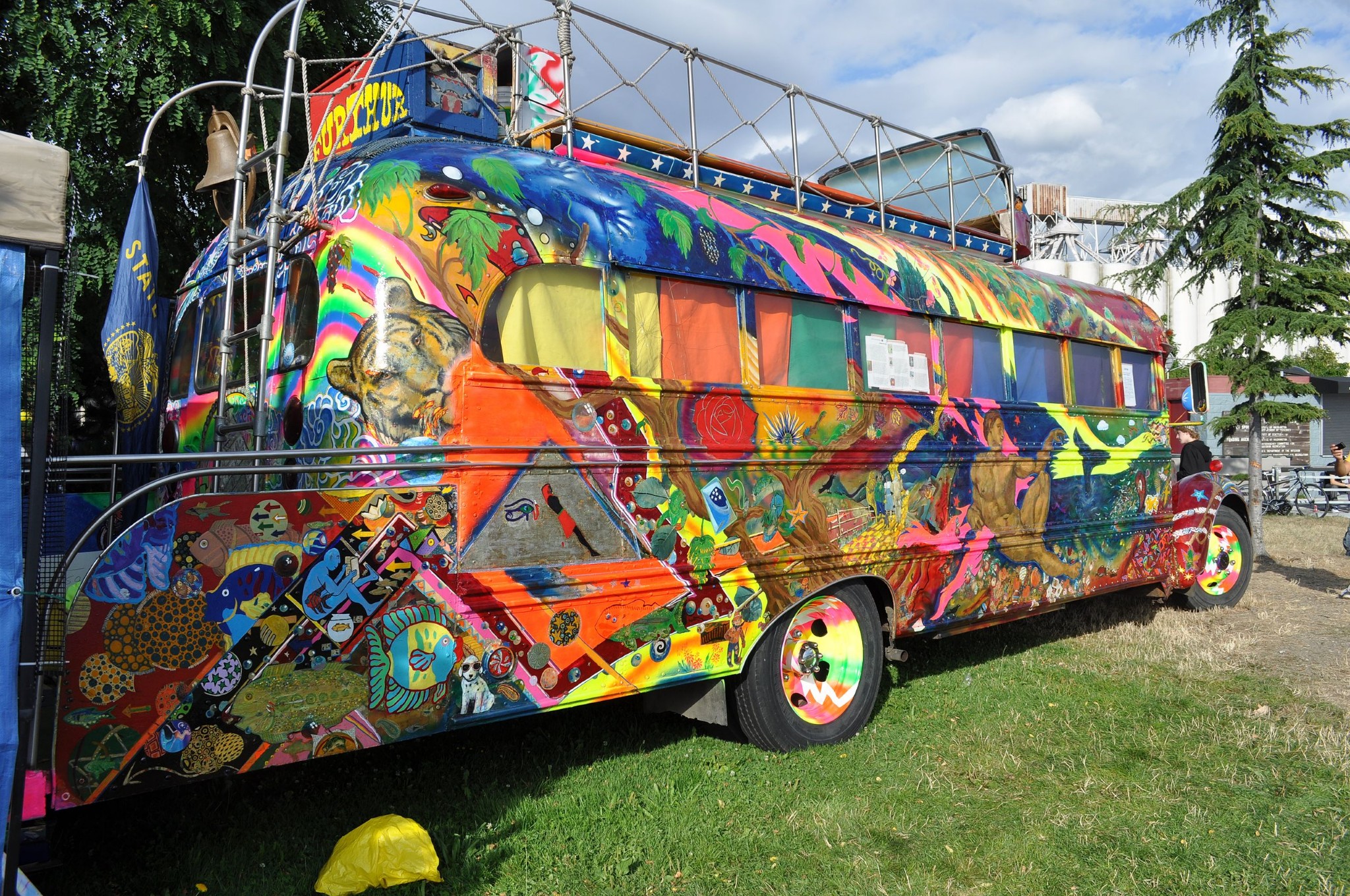
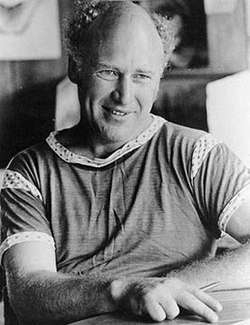
The Merry Pranksters were cohorts and followers of American author Ken Kesey in 1964.

Ken Kesey and the Merry Pranksters lived communally at Kesey’s homes in California and Oregon, and are noted for the sociologicalsignificance of a lengthy road trip they took in the summer of 1964, traveling across the United States in a psychedelic painted school bus called Furthur or Further, organizing parties and giving out LSD. During this time they met many of the guiding lights of the mid-1960scultural movement and presaged what are commonly thought of as hippies with odd behavior, tie-dyed and red, white and blue clothing, and renunciation of normal society, which they dubbed The EstablishmentTom Wolfe chronicled their early escapades in The Electric Kool-Aid Acid Test; Wolfe also documents a notorious 1966 trip on Further from Mexico through Houston, stopping to visit Kesey’s friend, novelistLarry McMurtry. Kesey was in flight from a drug charge at the time.[2] Notable members of the group include Kesey’s best friend Ken Babbs,Carolyn “Mountain Girl” GarciaLee Quarnstrom, and Neal CassadyStewart BrandPaul FosterDale Kesey (his cousin), George Walker, the Warlocks (now known as the Grateful Dead), Del Close (then a lighting designer for the Grateful Dead), Wavy GravyPaul Krassner, and Kentucky Fab Five writers Ed McClanahan and Gurney Norman (who overlapped with Kesey and Babbs as creative writing graduate students at Stanford University) were associated with the group to varying degrees.

These events are also documented by one of the original pranksters, Lee Quarnstrom, in his memoir, When I Was a Dynamiter.

https://en.m.wikipedia.org/wiki/Merry_Pranksters

Counterculture of the 1960s

The counterculture of the 1960s refers to an anti-establishment cultural phenomenon that developed first in the United Kingdom (UK) and the United States (US) and then spread throughout much of the Western world between the early 1960s and the mid-1970s, withLondonNew York City, and San Francisco being hotbeds of early countercultural activity. The aggregate movement gained momentum as the Civil Rights Movement continued to grow, and would later become revolutionary with the expansion of the U.S. government’s extensive military intervention in Vietnam. As the 1960s progressed, widespread social tensions also developed concerning other issues, and tended to flow along generational lines regarding human sexuality, women’s rights, traditional modes of authority, experimentation with psychoactive drugs, and differing interpretations of theAmerican Dream. Many key movements related to these issues were born or advanced within the counterculture of the 1960s.
https://en.m.wikipedia.org/wiki/Counterculture_of_the_1960s