
Ова е од местото на Галичица над Велестово од каде се пуштаат со параглајдери.
 Jovan Stosic
Ова е од местото на Галичица над Велестово од каде се пуштаат со параглајдери.
Jovan Stosic
Jovan Stosic
Jovan Stosic
Jovan Stosic
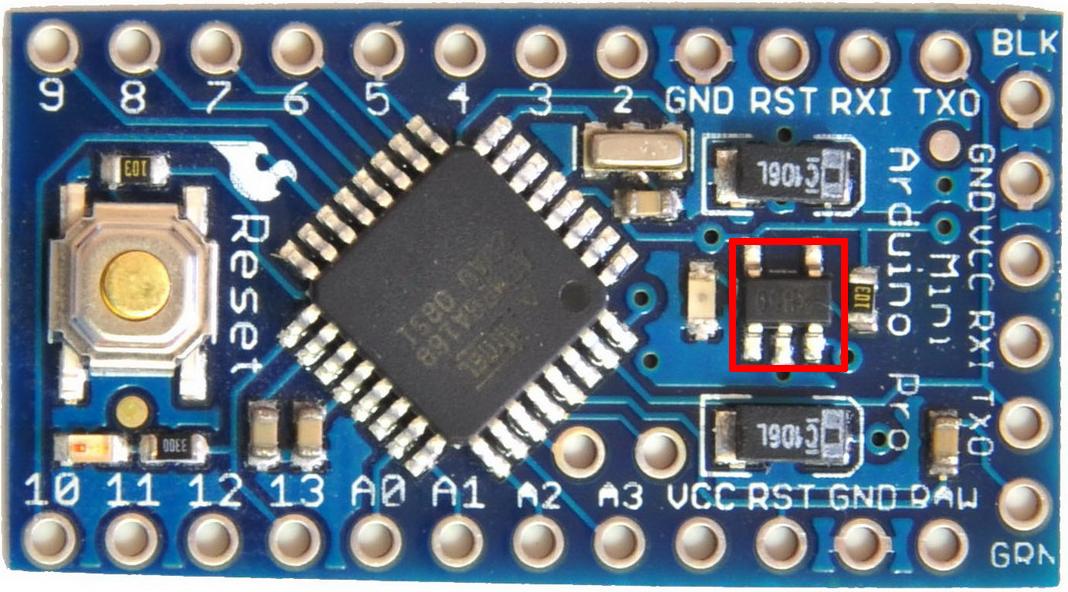
KB33, S20K, F34V, L0RA, L0RB80e., 80'0KB50, L05, L0UA, L0UBR160JAC6s, 16.000-30, A1, A'N, A'ahttps://arduino.stackexchange.com/questions/8511/how-to-identify-arduino-mini-pro-5v-vs-3-3v
Jovan Stosic
Jovan Stosic
Jovan Stosic
Solaris is a 1961 philosophical science fiction novel by Polish writer Stanisław Lem. The book centers upon the themes of the nature of human memory, experience and the ultimate inadequacy of communication between human and non-human species.
In probing and examining the oceanic surface of the planet Solaris from a hovering research station the human scientists are, in turn, being apparently studied by the sentient planet itself, which probes for and examines the thoughts of the human beings who are analyzing it. Solaris has the ability to cast their secret, guilty concerns into a material form, for each scientist to personally confront. All efforts of human probing into the secrets of Solaris proved to be futile. As Lem wrote himself, “The peculiarity of those phenomena seems to suggest that we observe a kind of rational activity, but the meaning of this seemingly rational activity of the Solarian Ocean is beyond the reach of human beings”.
First published in Warsaw in 1961, the 1970 Polish-to-French-to-English translation of Solaris is the best-known of Lem’s English-translated works.
Jovan Stosic
Jovan Stosic
Jovan Stosic
“Nightfall” is a 1941 science fiction novelette by American writer Isaac Asimov about the coming of darkness to the people of a planet ordinarily illuminated by sunlight at all times. It was adapted into a novel with Robert Silverberg in 1990. The short story has been included in 48 anthologies, and has appeared in six collections of Asimov’s stories.[citation needed] In 1968, the Science Fiction Writers of America voted “Nightfall” the best science fiction short story written prior to the 1965 establishment of the Nebula Awards, and included it in The Science Fiction Hall of Fame Volume One, 1929-1964.