here is no interaction wit
Source: Fail2ban – Wikipedia
 Jovan Stosic
here is no interaction wit
Source: Fail2ban – Wikipedia
Jovan Stosic
Fail2Ban is an intrusion prevention software framework that protects computer servers from brute-force attacks. Written in the Python programming language, it is able to run on POSIX systems that have an interface to a packet-control system or firewall installed locally, for example, iptables or TCP Wrapper.
Source: Fail2ban – Wikipedia
Jovan Stosic
Jovan Stosic
Jovan Stosic
Jovan Stosic
gcc -o cngplp main.o mainwnd.o printerinfo.o load.o options.o -lgtk-x11-2.0 -lgdk-x11-2.0 -lpangocairo-1.0 -latk-1.0 -lcairo -lgdk_pixbuf-2.0 -lgio-2.0 -lpangoft2-1.0 -lpango-1.0 -lgobject-2.0 -lglib-2.0 -lfontconfig -lfreetype -lglade-2.0 -lgmodule-2.0 -lcups -Wl,-rpath -Wl,/usr/local/lib
Source: Compiling Canon printer driver? – Raspberry Pi Forums
Jovan Stosic
Jovan Stosic
Jovan Stosic
GCC stands for GNU Compiler Collections which is used to compile mainly C and C++ language. It can also be used to compile Objective C and Objective C++. The most important option required while compiling a source code file is the name of the source program, rest every argument is optional like a warning, debugging, linking libraries, object file etc. The different options of gcc command allow the user to stop the compilation process at different stages.
Syntax:
gcc [-c|-S|-E] [-std=standard]
Example: This will compile the source.c file and give the output file as a.out file which is default name of output file given by gcc compiler, which can be executed using ./a.out
gcc source.c
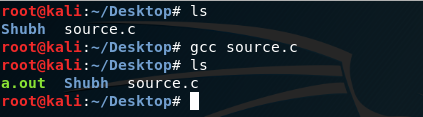
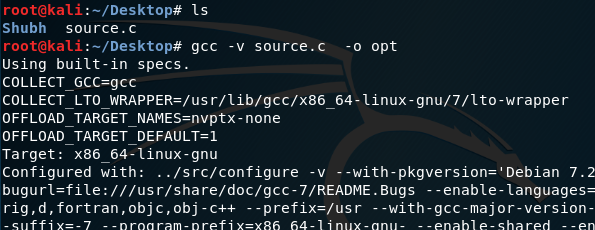
Most Usefull Options with Examples: Here source.c is the C program code file.
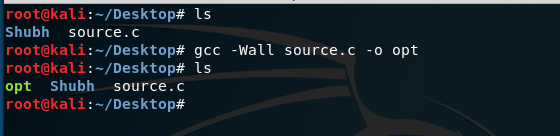
gcc source.c -o opt
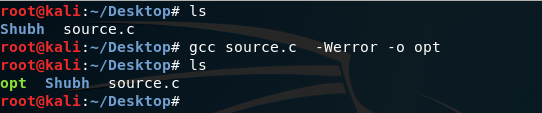
gcc source.c -Werror -o opt
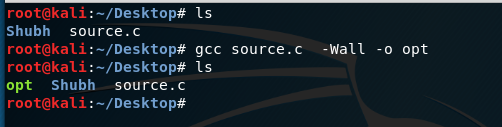
gcc source.c -Wall -o opt
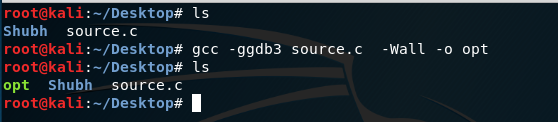
gcc -ggdb3 source.c -Wall -o opt
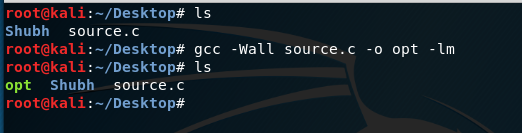
gcc -Wall source.c -o opt -lm
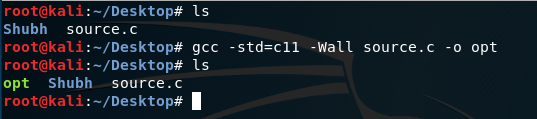
gcc -Wall -std=c11 source.c -o opt
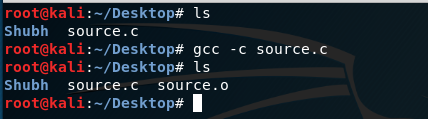
 Jovan Stosic
Jovan Stosic
Jovan Stosic
Jovan Stosic
Jovan Stosic