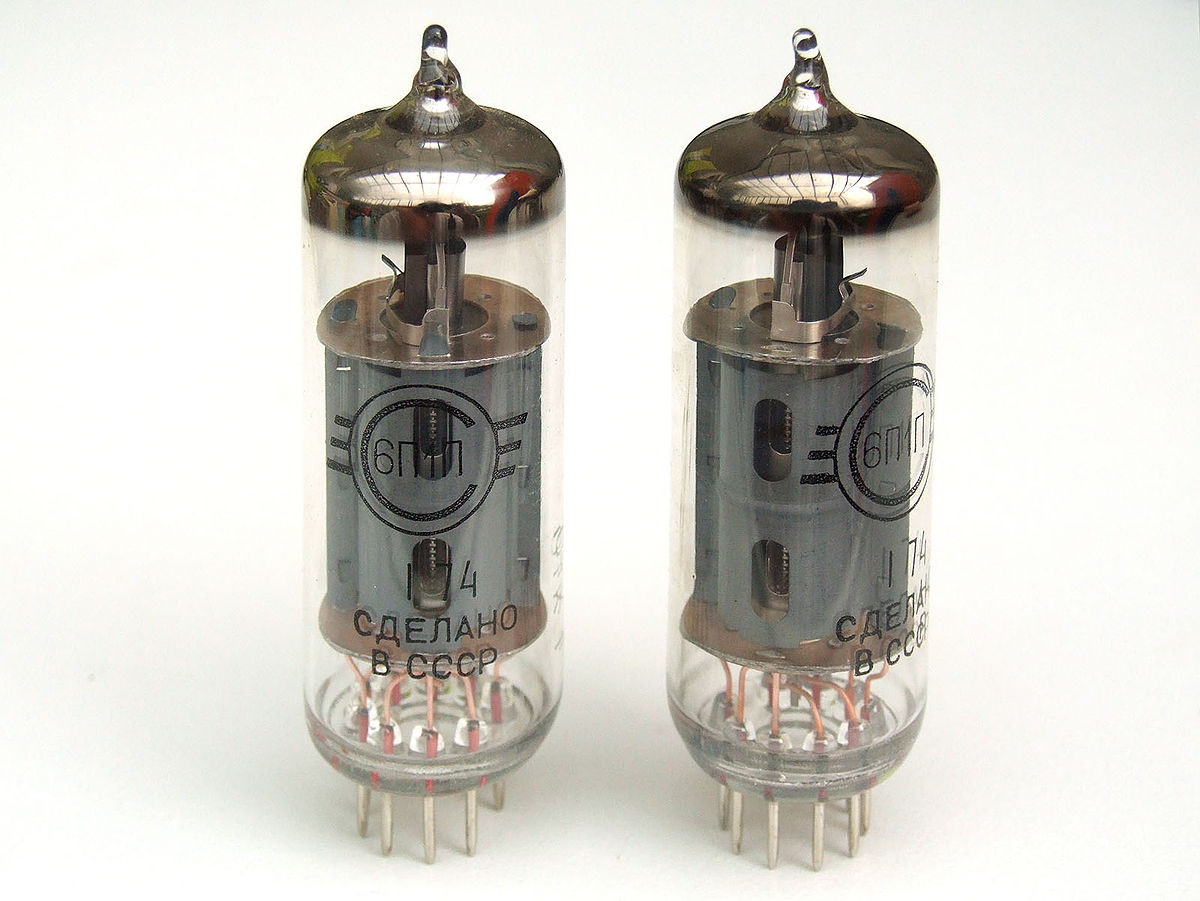
Source: 6P1P – Wikipedia
Engineering and technology notes
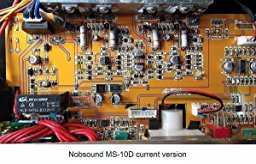
Amazon.com: Customer Reviews: Nobsound MS-10D Tube Power Amplifier
Find helpful customer reviews and review ratings for Nobsound MS-10D Tube Power Amplifier at Amazon.com. Read honest and unbiased product reviews from our users.
Source: Amazon.com: Customer Reviews: Nobsound MS-10D Tube Power Amplifier
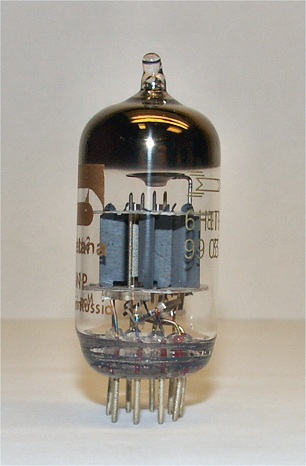
6N1P
Source: 6N1P – Wikipedia
McIntosh Laboratory
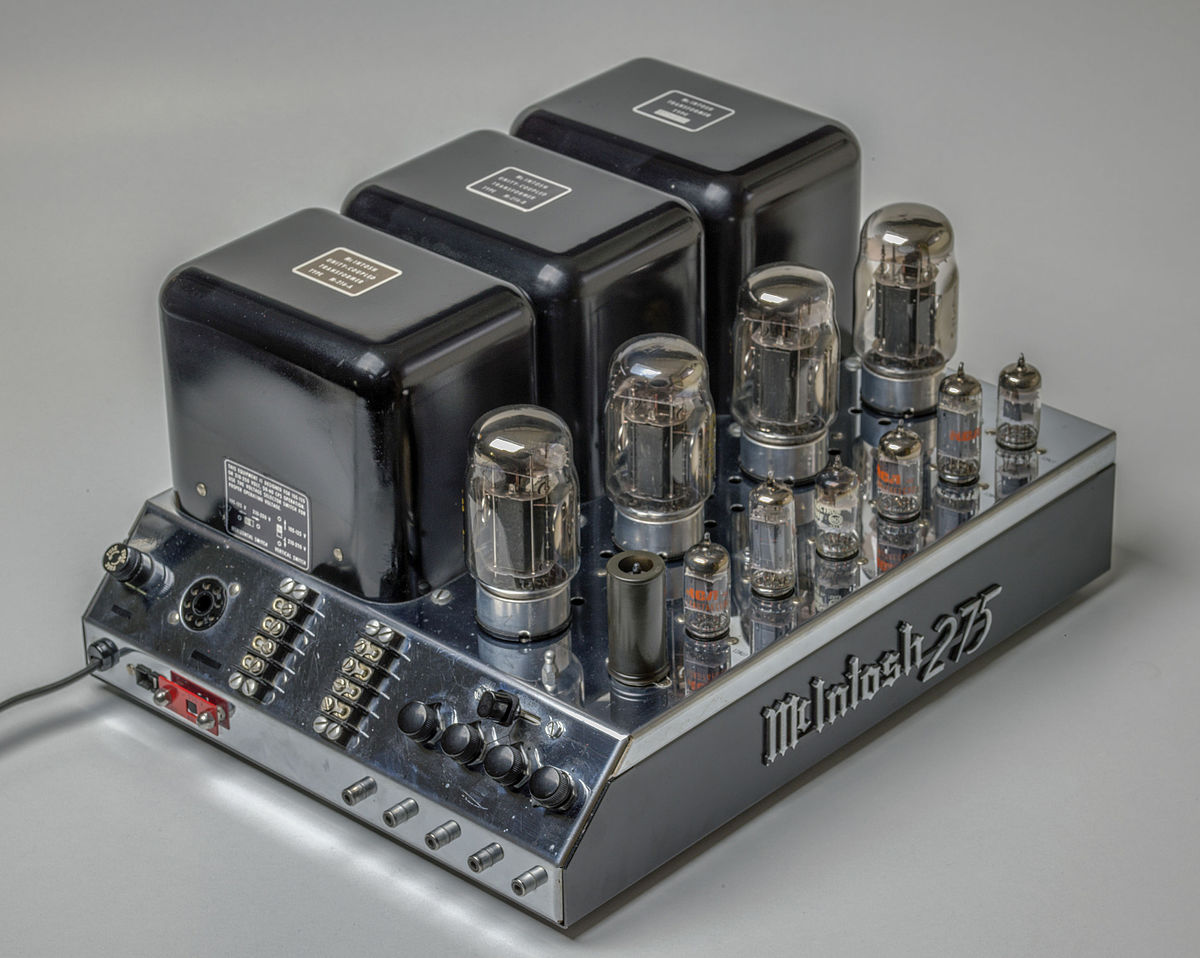
McIntosh Laboratory is an American manufacturer of handcrafted high-end audio equipment based in Binghamton, New York. The company was founded in 1949 by Frank McIntosh.[1] McIntosh is highly recognizable for their black glass front panels, “McIntosh Blue” amplifier power meters and iconic logo.
Source: McIntosh Laboratory – Wikipedia
Raspbian: fstab doesn’t mount NFS on boot « Hackviking
Ran out of disc space in one of my Raspberry Pi projects last night. Of course I did a quick and dirty install with NOOBs so cloning to a larger SD-card felt like a drag. So I decided it was time t…
Source: Raspbian: fstab doesn’t mount NFS on boot « Hackviking
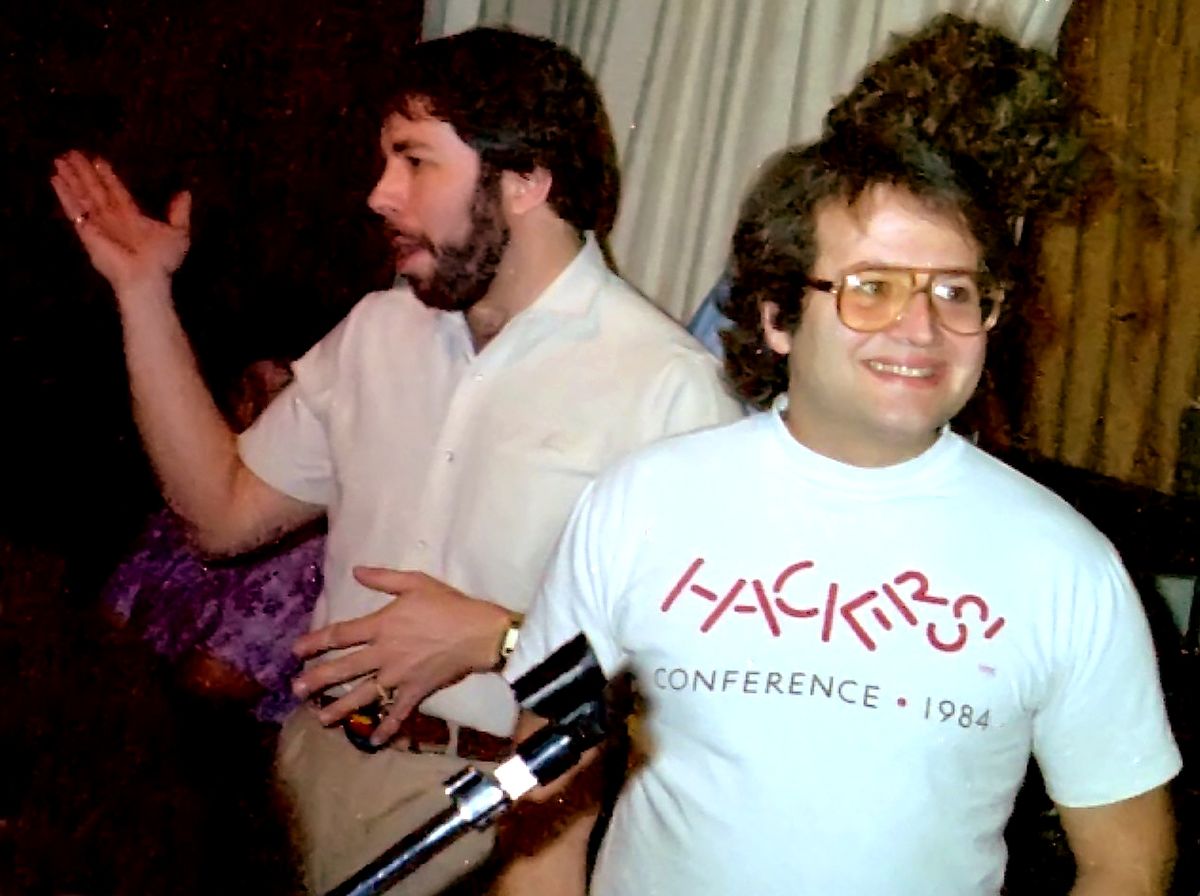
Bill Atkinson
Bill Atkinson (born 1951) is an American computer engineer and photographer. Atkinson worked at Apple Computer from 1978 to 1990.
Atkinson was the principal designer and developer of the graphical user interface (GUI) of the Apple Lisa and, later, one of the first thirty members of the original Apple Macintosh development team,[1] and was the creator of the ground-breaking MacPaint application, which fulfilled the vision of using the computer as a creative tool. He also designed and implemented QuickDraw, the fundamental toolbox that the Lisa and Macintosh used for graphics. QuickDraw’s performance was essential for the success of the Macintosh GUI. He also was one of the main designers of the Lisa and Macintosh user interfaces. Atkinson also conceived, designed and implemented HyperCard, the first popular hypermedia system. HyperCard put the power of computer programming and database design into the hands of nonprogrammers. In 1994, Atkinson received the EFF Pioneer Award for his contributions.
Source: Bill Atkinson – Wikipedia
Byte (magazine)
Byte magazine was an American microcomputer magazine, influential in the late 1970s and throughout the 1980s because of its wide-ranging editorial coverage.[1] Whereas many magazines from the mid-1980s had been dedicated to the MS-DOS (PC) platform or the Mac, mostly from a business or home user’s perspective, Byte covered developments in the entire field of “small computers and software”, and sometimes other computing fields such as supercomputers and high-reliability computing.
Source: Byte (magazine) – Wikipedia
debian – How to make some initscript start after delay at boot? – Unix & Linux Stack Exchange
Schedule tasks – LinuxIntro
Source: Schedule tasks – LinuxIntro
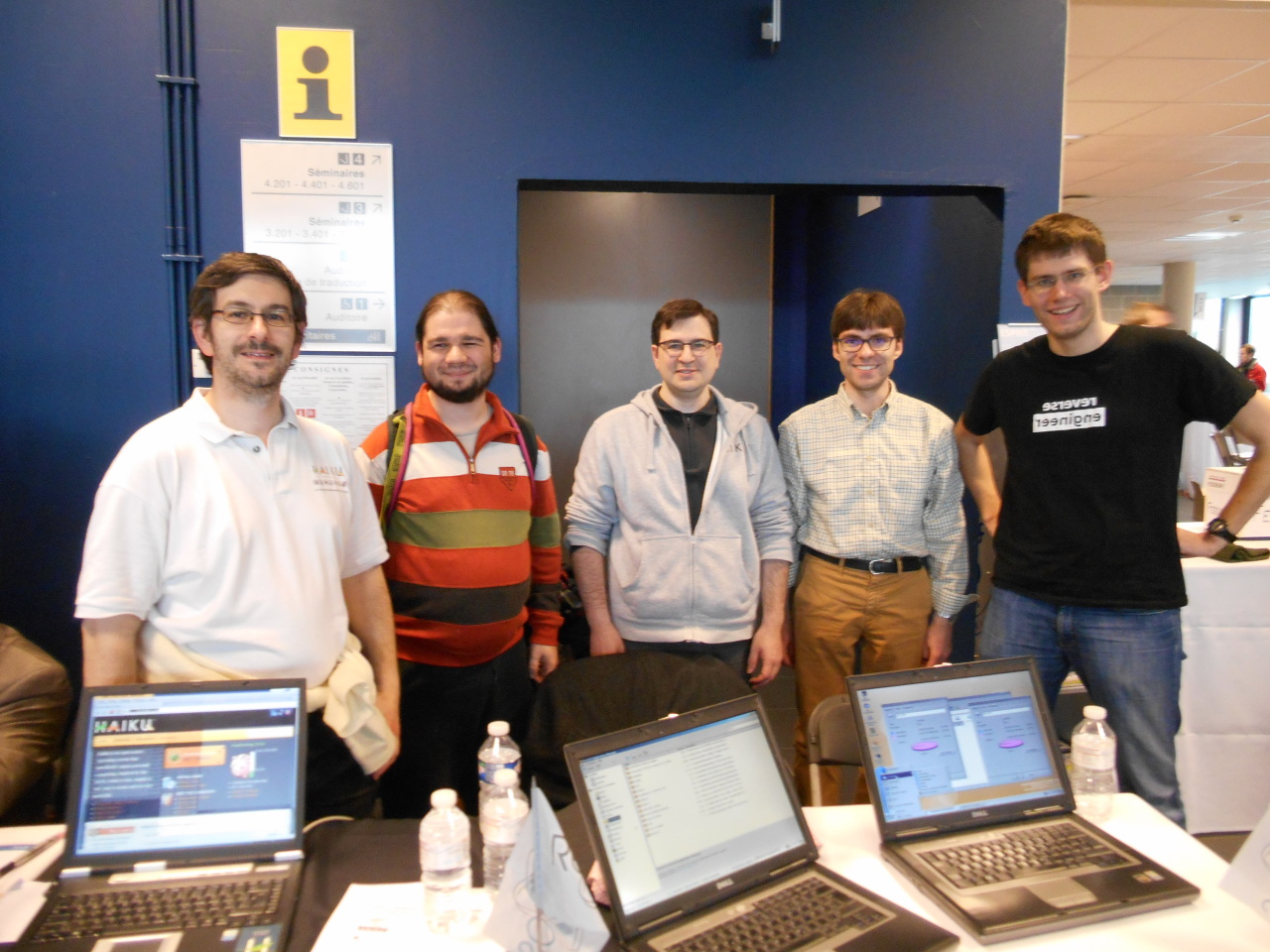
Home | Haiku Project
Haiku is an open-source operating system that specifically targets personal computing. Inspired by BeOS, Haiku is fast and easy to learn but very powerful.
Source: Home | Haiku Project
Andy Hertzfeld
Andy Hertzfeld (born April 6, 1953) is an American computer scientist and inventor who was a member of the original Apple Macintosh development team during the 1980s. After buying an Apple II in January 1978, he went to work for Apple Computer from August 1979 until March 1984, where he was a designer for the Macintosh system software. Since leaving Apple, he has co-founded three companies: Radius in 1986, General Magic in 1990 and Eazel in 1999. In 2002, he helped Mitch Kapor promote open source software
Source: Andy Hertzfeld – Wikipedia
Shotwell (software)
Source: Shotwell (software) – Wikipedia