Source: linux – How do I get an entire directory in sftp? – Super User
 Jovan Stosic
Jovan Stosic
Jovan Stosic
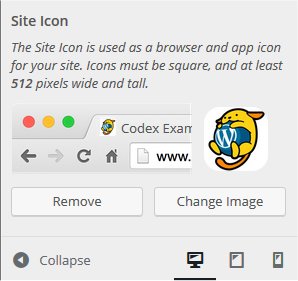
A favicon (short for “favorite icon”) is an icon associated with a website or webpage intended to be used when you bookmark the web page. Web browsers use them in the URL bar, on tabs, and elsewhere to help identify a website visually. Also, it is used as application icon of mobile device.
A favicon is typically a graphic 16 x 16 pixels square and is saved as favicon.ico in the root directory of your server. You can use a favicon with any WordPress site on a web server that allows access to the root directories.
Jovan Stosic
Source: Avie Tevanian – Wikipedia
Jovan Stosic
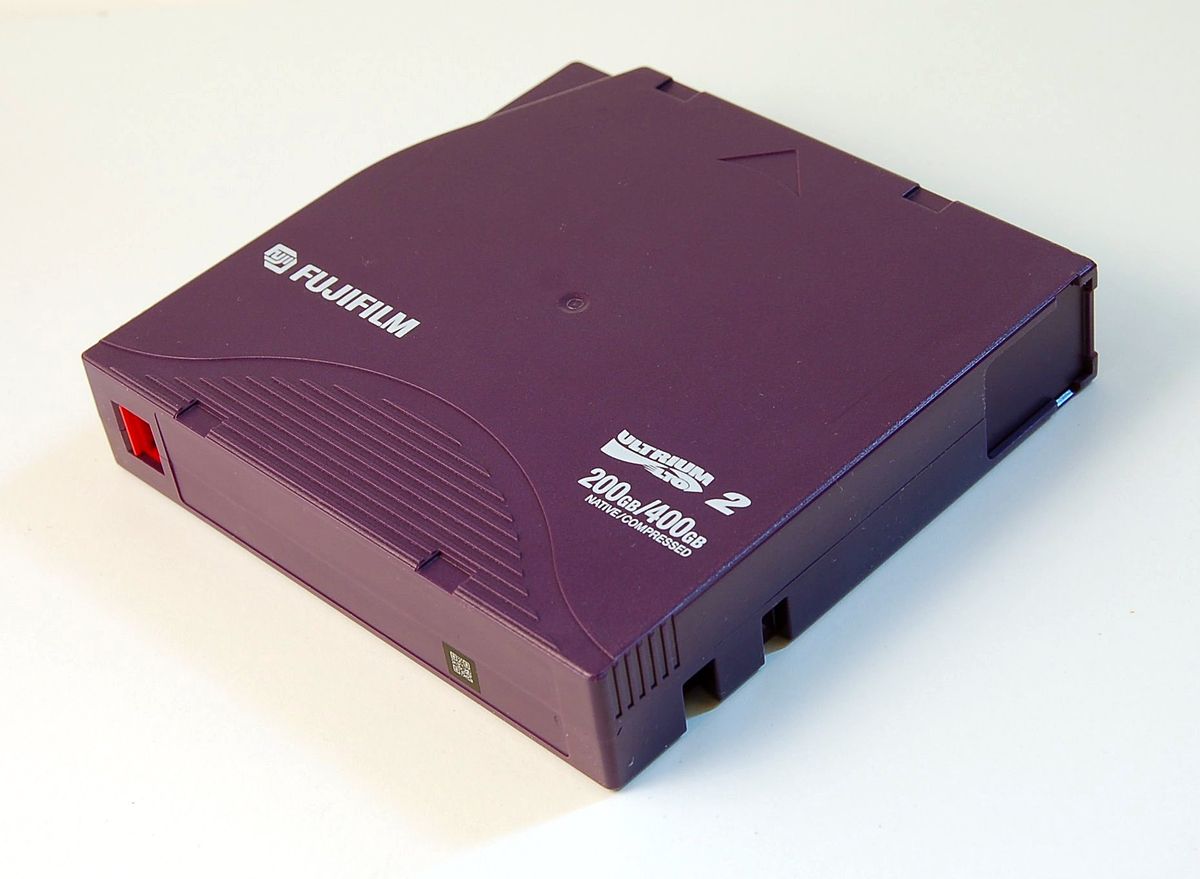
Linear Tape-Open (LTO) is a magnetic tape data storage technology originally developed in the late 1990s as an open standards alternative to the proprietary magnetic tape formats that were available at the time. Hewlett Packard Enterprise, IBM and Quantum control the LTO Consortium, which directs development and manages licensing and certification of media and mechanism manufacturers.
The standard form-factor of LTO technology goes by the name Ultrium, the original version of which was released in 2000 and can hold 100 GB of data in a cartridge. The seventh generation of LTO Ultrium was released in 2015 and can hold 6.0 TB in a cartridge of the same size.
Upon introduction, LTO Ultrium rapidly defined the super tape market segment and has consistently been the best-selling super tape format.[1][2] LTO is widely used with small and large computer systems, especially for backup.
Source: Linear Tape-Open – Wikipedia
Jovan Stosic
Jovan Stosic
Polaroid is an American company that is a brand licensor and marketer of its portfolio of consumer electronics to companies that distribute consumer electronics and eyewear. It is best known for its Polaroid instant film and cameras.
The company was founded in 1937 by Edwin H. Land, to exploit the use of its Polaroid polarizing polymer.[1]:3 Land ran the company until 1981. Its peak employment was 21,000 in 1978, and its peak revenue was $3 billion in 1991.[2]
When the original Polaroid Corporation was declared bankrupt in 2001,[3][4]its brand and assets were sold off.[5] The “new” Polaroid formed as a result[3][5] itself declared bankruptcy in 2008, resulting in a further sale and the present-day Polaroid Corporation.
Source: Polaroid Corporation – Wikipedia
Jovan Stosic
Mitchell David “Mitch” Kapor (
i/ˈkeɪ.pʊər/ kay-poor),[1] born November 1, 1950,[2][3] is an entrepreneur best known for promoting the first spreadsheet VisiCalc, and later founding Lotus, where he was instrumental in developing the Lotus 1-2-3 spreadsheet. He left Lotus in 1986. In 1990 with John Perry Barlow and John Gilmore, he co-founded the Electronic Frontier Foundation, and served as its chairman until 1994. Kapor has been an investor in the personal computing industry, and supporter of social causes, like the Hidden Genius Project, The College Bound Brotherhood, and Advancement Project. As Partner at Kapor Capital and the Kapor Center for Social Impact, Mitch, along with his wife Freada Kapor Klein, invests in social impact tech startups that seek to narrow gaps in opportunity and access for underrepresented communities and attempt to eliminate barriers to full participation across the tech ecosystem.
Source: Mitch Kapor – Wikipedia
Jovan Stosic
Jovan Stosic
How can I add a text to speech service or any other similar services to GoldenDict for offline use?I am using Ubuntu 13.10 and I want to learn how to pronounce English words I don’t know.
Source: dictionary – How can I add text-to-speech to GoldenDict? – Ask Ubuntu
Jovan Stosic
I need a complete step-by-step guide on how to produce such a server configuration.Can anyone help-me?
Source: bind – How do I do a complete BIND9 DNS Server Configuration with a hostname? – Ask Ubuntu
Jovan Stosic
Jovan Stosic